Activate
Wake the next machine and expose a new objective.
Solo Unity 6 case study · August 2026
A factory platformer built like a factory: generated, connected, and repaired under pressure.
A roughly 48-hour build became a focused exercise in system design. One vertical hall connects movement, production, machine damage, enemy traversal, and escape—then makes the player maintain that whole chain without a weapon.
I directed the design, Unity engineering, visual language, testing, and scope. Codex and Unity MCP accelerated editor tooling and generated assets; I set the constraints, reviewed the output, playtested the result, and replaced what did not read or play clearly.
Mine · the brief
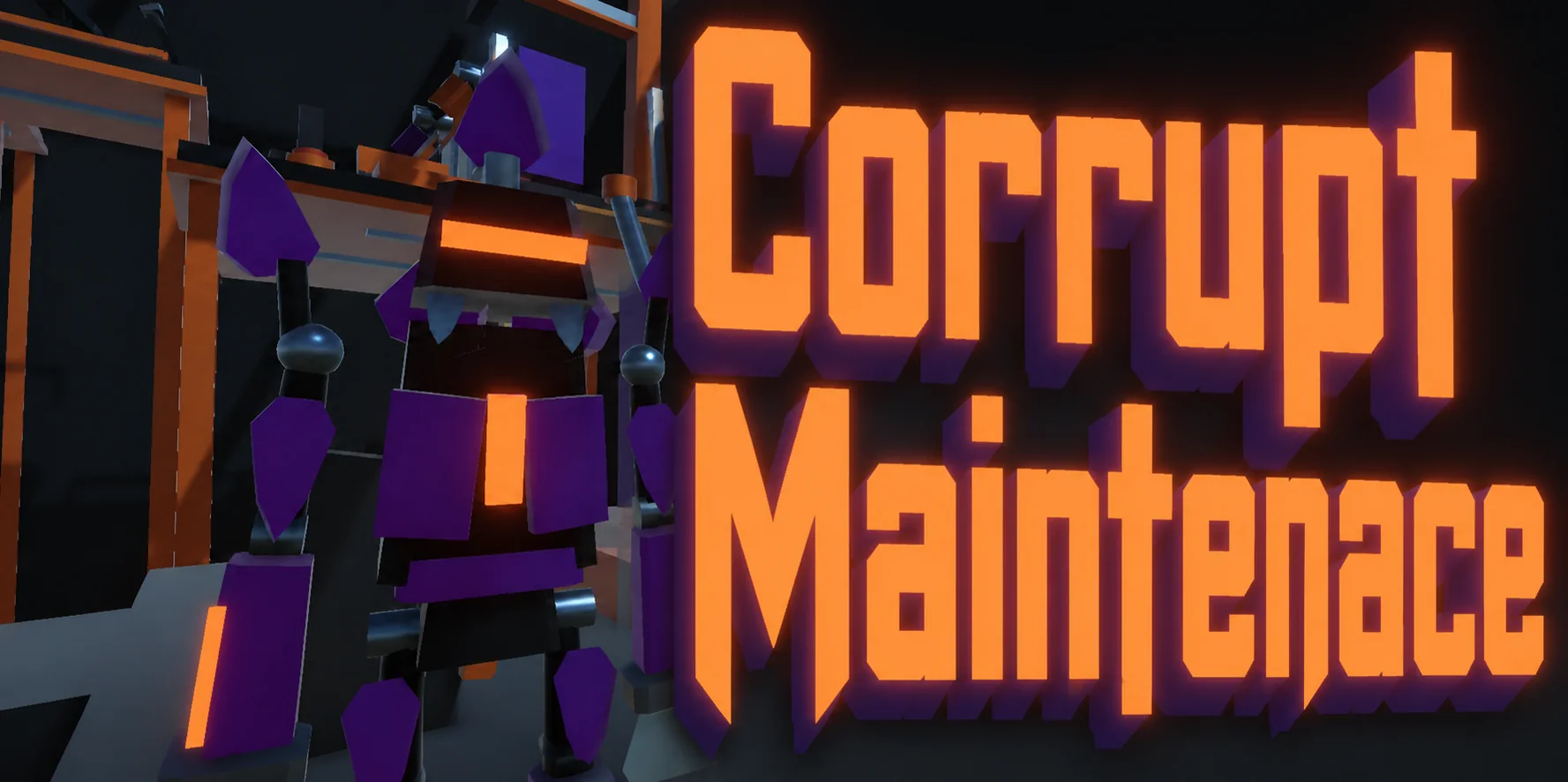
The strongest constraint was not time or height. It was making maintenance feel active while withholding direct combat.
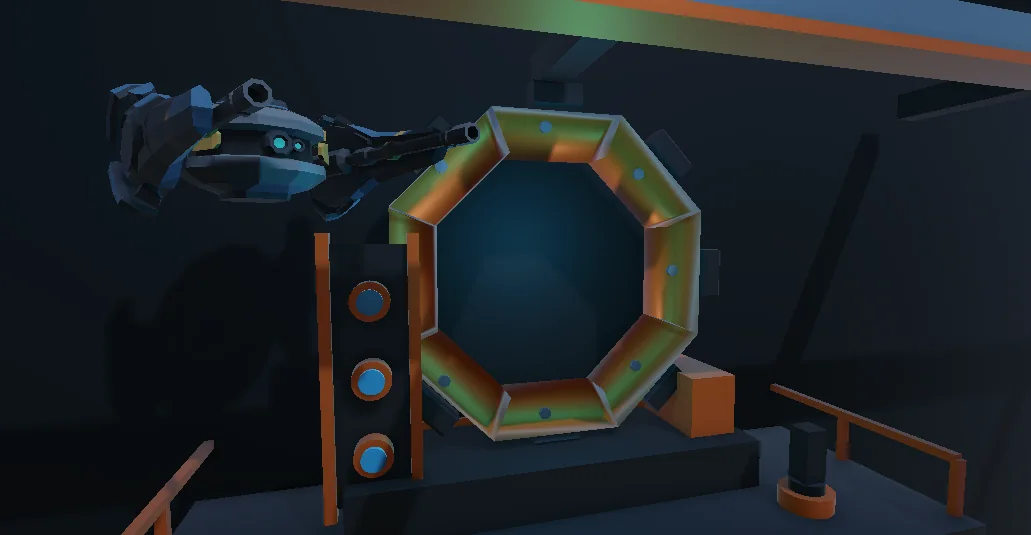
A sabotage signal wakes a compact maintenance unit inside an autonomous factory. The factory is one interconnected room, so the final portal remains a visible promise while the player climbs through the systems needed to power it.
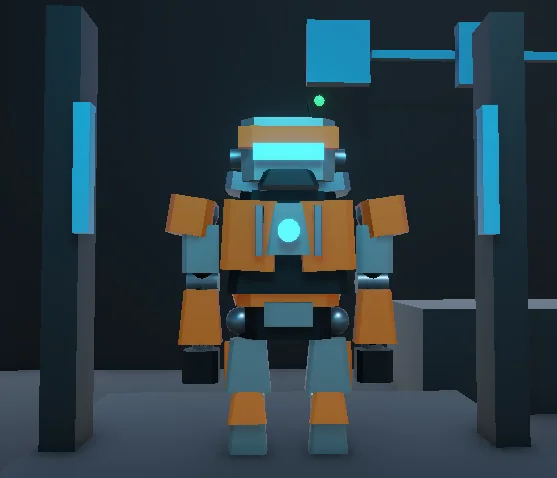
Movement and maintenance are the verbs: jump, double-jump, dash, cross conveyors and hover platforms, hold repairs under pressure, build defensive turrets, and keep machines running long enough to produce three portal cores.
Smelter · the playable loop
Mine → Smelter → Generator → Assembler → Portal is both the production model and the run's dramatic spine.
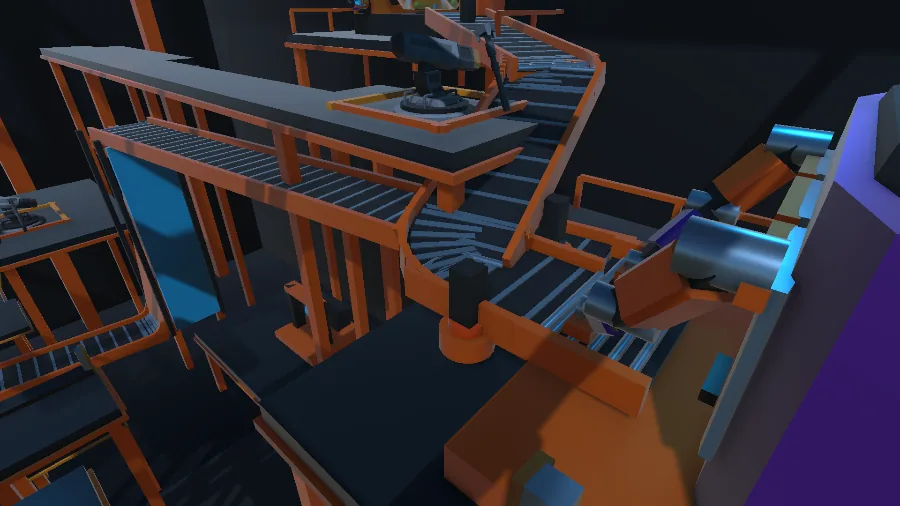
Visible cargo made the chain legible. Ore leaves the mine, becomes ingots, feeds powered assembly, and ends as portal components the player can see moving through the room.
The loop alternates progress and exposure. Activating a station opens the next route; keeping it alive forces the player back into older spaces while enemies attack the infrastructure below.
Wake the next machine and expose a new objective.
Complete the conveyor route and make cargo movement visible.
Turn ore into ingots, power, components, and portal cores.
Hold a timed interaction or construct a turret while exposed.
Install three cores, stabilize the portal, and reach the top deck.
Enemies prefer operational machines and nearby players. Repairs and turret construction lock attention for a moment, so the non-combat protagonist still makes tactical choices about route, timing, and which failure matters first.
Generator · building the factory
Reusable endpoints, deterministic builders, and scene-contract tests kept one dense vertical level editable at speed.
I began with a point-to-point conveyor and a movement/interaction test scene, then generated the full factory through editor builders. That made large structural passes repeatable: platforms, machines, routes, navigation surfaces, and objective wiring could be rebuilt together.
The level keeps the portal high and readable, places broad decks between meaningful jumps, and provides recovery routes when a jump fails. Later passes removed a forest of identical posts, introduced gantries and cantilevers, and converted selected decks into stable hover platforms.
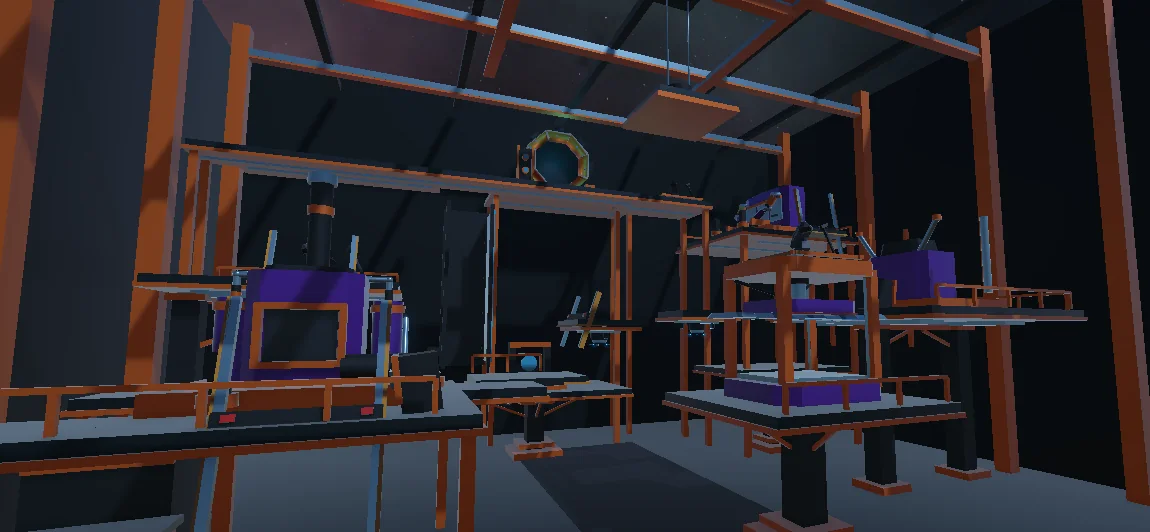
The portal anchors the climb before the player can reach it.
Lower decks and recovery paths reduce dead resets without erasing risk.
Builders preserve scene contracts while the room changes shape.
Assembler · pressure and visual pivot
The rapid build improved through deliberate swaps: navigation, characters, machines, and structure all changed when the first answer fought the game.
Transparent enemy roads made traversal possible but looked arbitrary. I replaced them with deployable enemy-only mechanical ladders and procedural jump links backed by NavMesh. Ground enemies now earn vertical access as production advances; drones retain flight.
Borrowed humanoids also contradicted the factory. They were replaced with project-built geometric characters and procedural animation tied to movement and combat state. The existing drone stayed because its silhouette already belonged in the space.
Enemies attack operational infrastructure and switch to nearby players when opportunity changes.
Holding a repair or turret build creates a readable window for interruption.
Ladders, jumps, flying drones, and burst spawning expand pressure as the line comes online.
The Saboteur Cutter and Foundry Brute share the same chamfered housings, bearings, pistons, and restrained emissives as the machines around them.
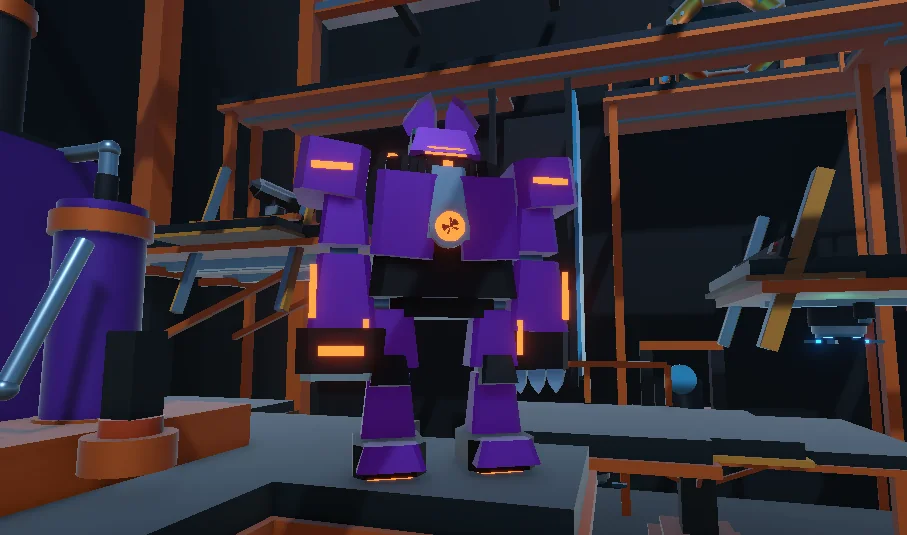
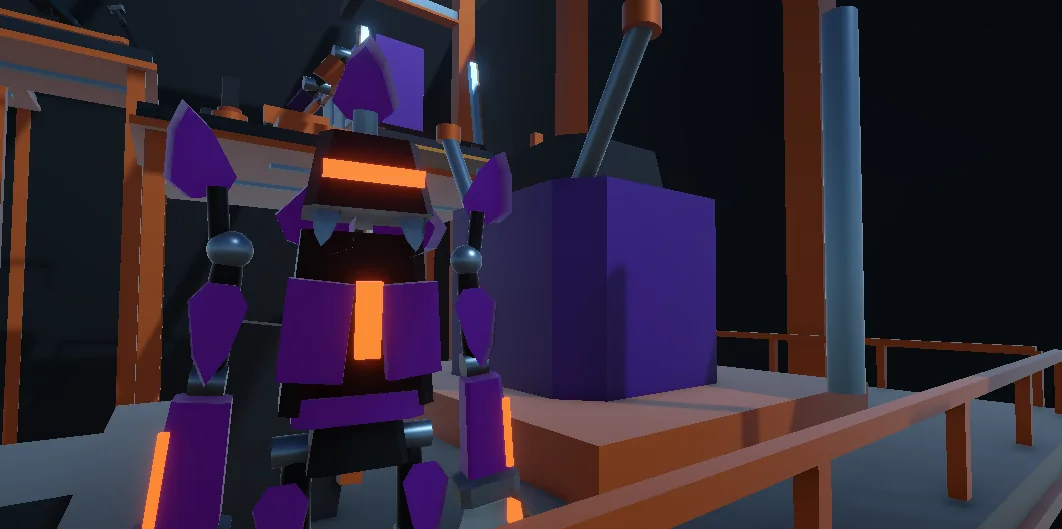
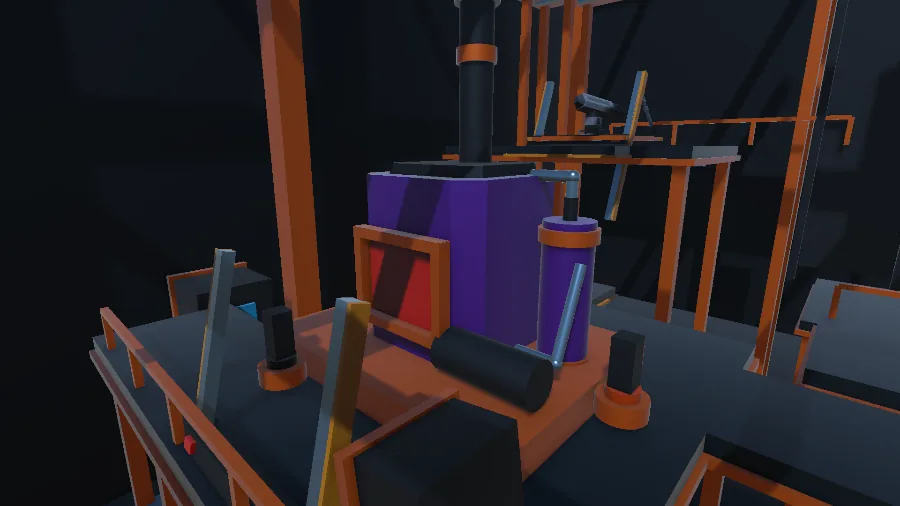
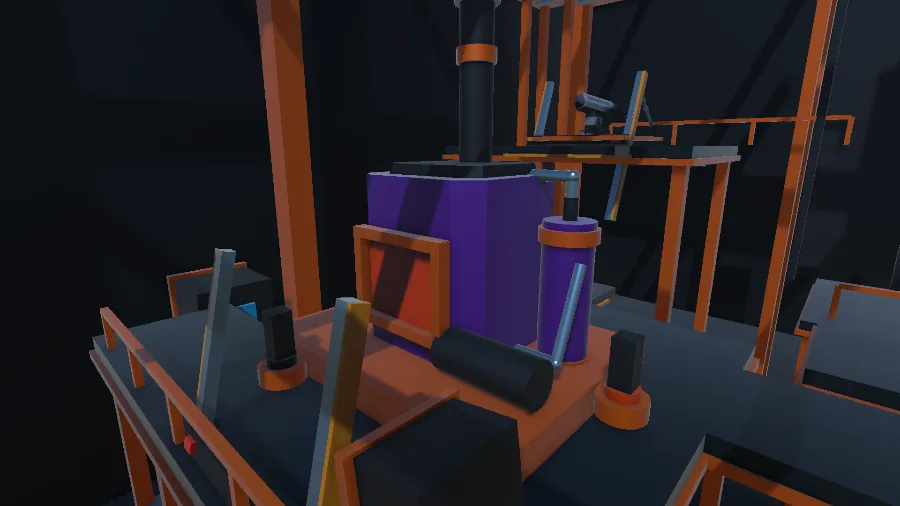
Mine, Smelter, Generator, Assembler, Crusher, and Portal were centralized and rebuilt with state-driven motion, emissives, particles, and synchronized audio while their gameplay footprints stayed fixed.
Portal · polish and outcome
The final passes focused on communication: what is broken, what matters next, what changed, and why this unit is here.
Contextual tutorials, an objective and broken-machine HUD, pause options, persistent mixer controls, and original mechanical movement/enemy SFX reduced the amount the player had to infer. A dedicated Timeline intro added the sabotage premise with processed robotic voiceover and subtitles.
The project was prepared for a Unity Web build and store presentation. No public itch.io page is verified, so this case study links only to the repository.
Motion, particles, emissives, HUD status, and audio agree on machine health.
Tutorial prompts arrive in context instead of front-loading every control.
Movement, enemies, machines, voice, and persistent mixer settings share one controlled mix.
26—29 / 08 / 2026
Repository history runs from August 26–29, 2026, followed by presentation and publishing work. The accurate story is a project shaped around a 48-hour constraint—not a claim that every final feature landed inside that exact window.
RUN COMPLETE
A short game can still demonstrate systems depth when every mechanic reinforces one route. The useful outcome was not feature volume; it was the ability to replace weak solutions quickly without losing the playable spine.