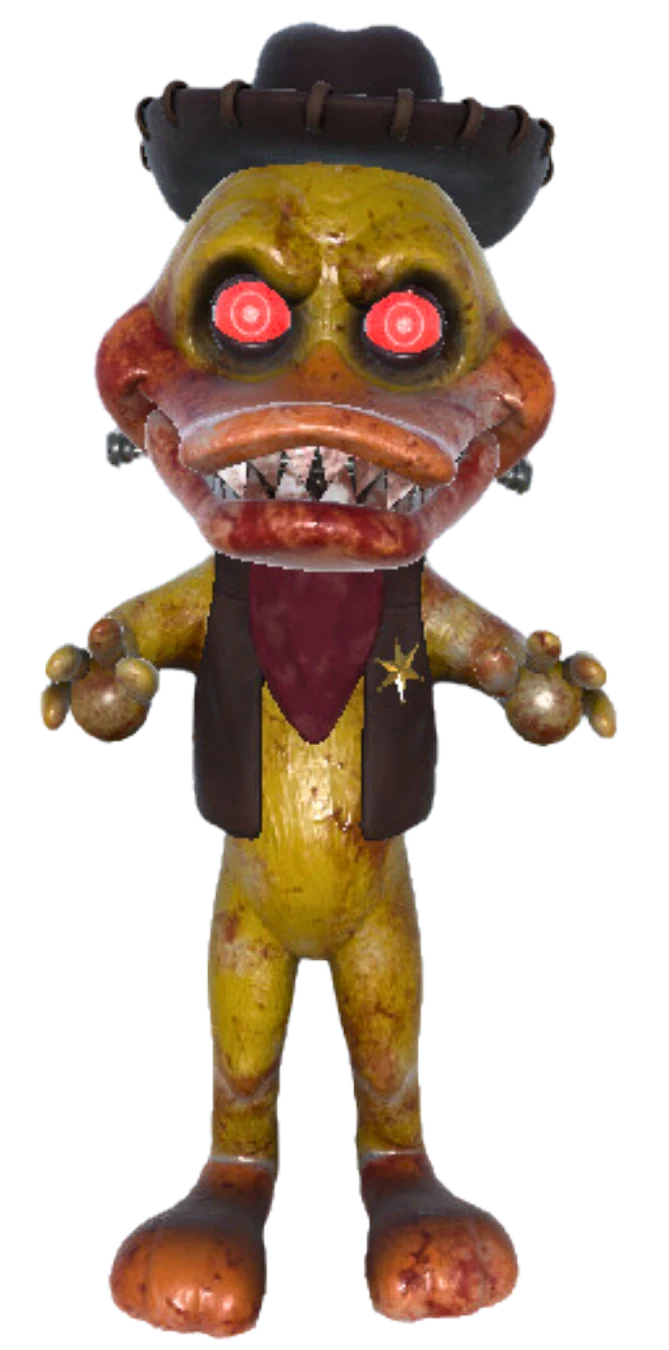
Abandoned blueprintREV / 00
Day and Night
- Low-poly haunted house
- One nocturnal pursuer
- Room-by-room purification
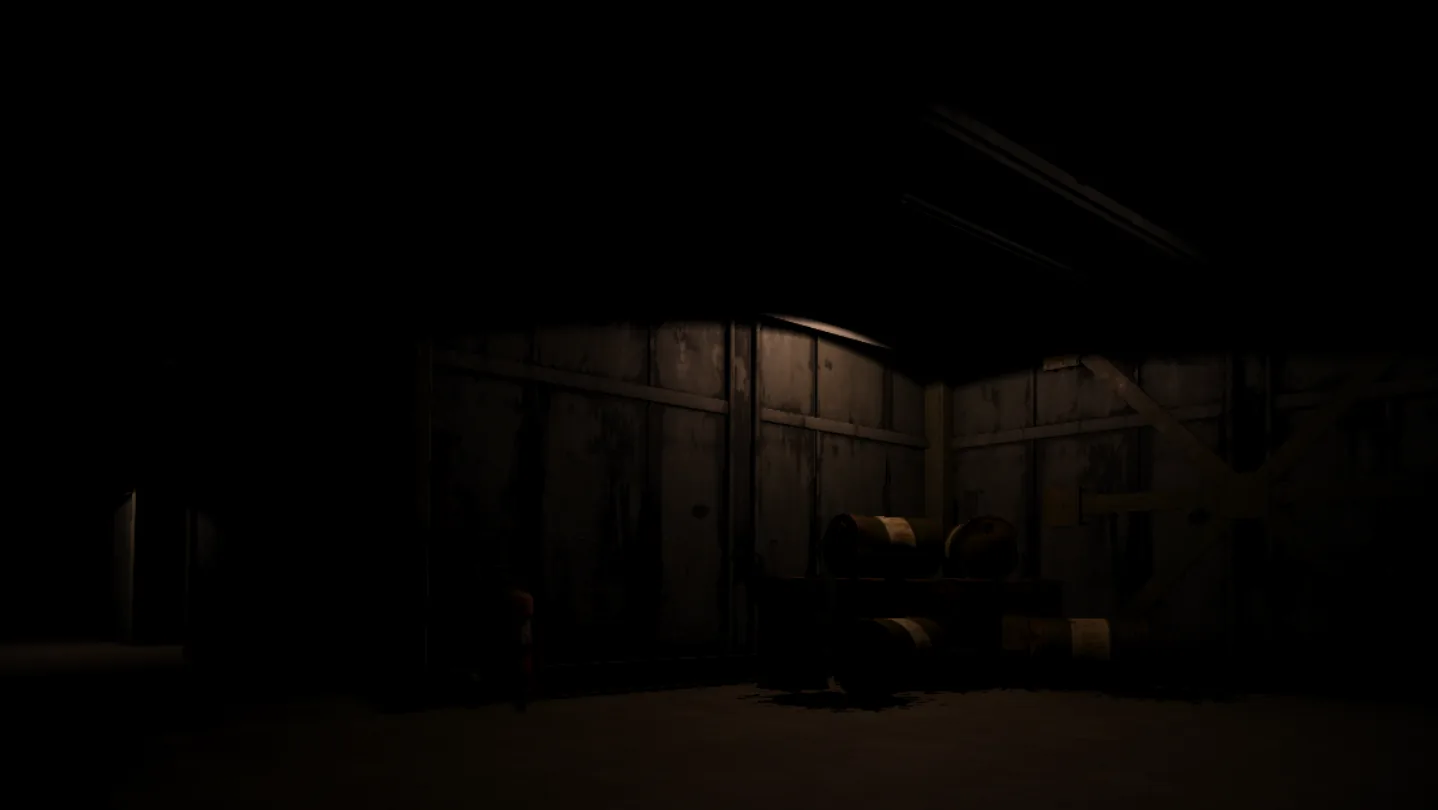
First Steam release · Solo Unity project

A missed jam deadline became a complete shipping cycle.
What began as a small haunted-house prototype grew into a first-person factory horror game—and forced me to learn design, engineering, testing, Steam operations, trailers, outreach, and the less glamorous work of finishing.
01 / Reclassification
The original Day and Night prototype was planned around a haunted house, a day/night rhythm, and a creature hunting the player after dark. Four days into the Brackeys Game Jam, it was clear the deadline would be missed. Instead of discarding the work, I changed the promise: from finishing a jam entry to shipping a small commercial horror game.
The rename was more than presentation. It gave the prototype an industrial identity, a clearer emotional target, and a finish line on Steam.
02 / Operating procedure
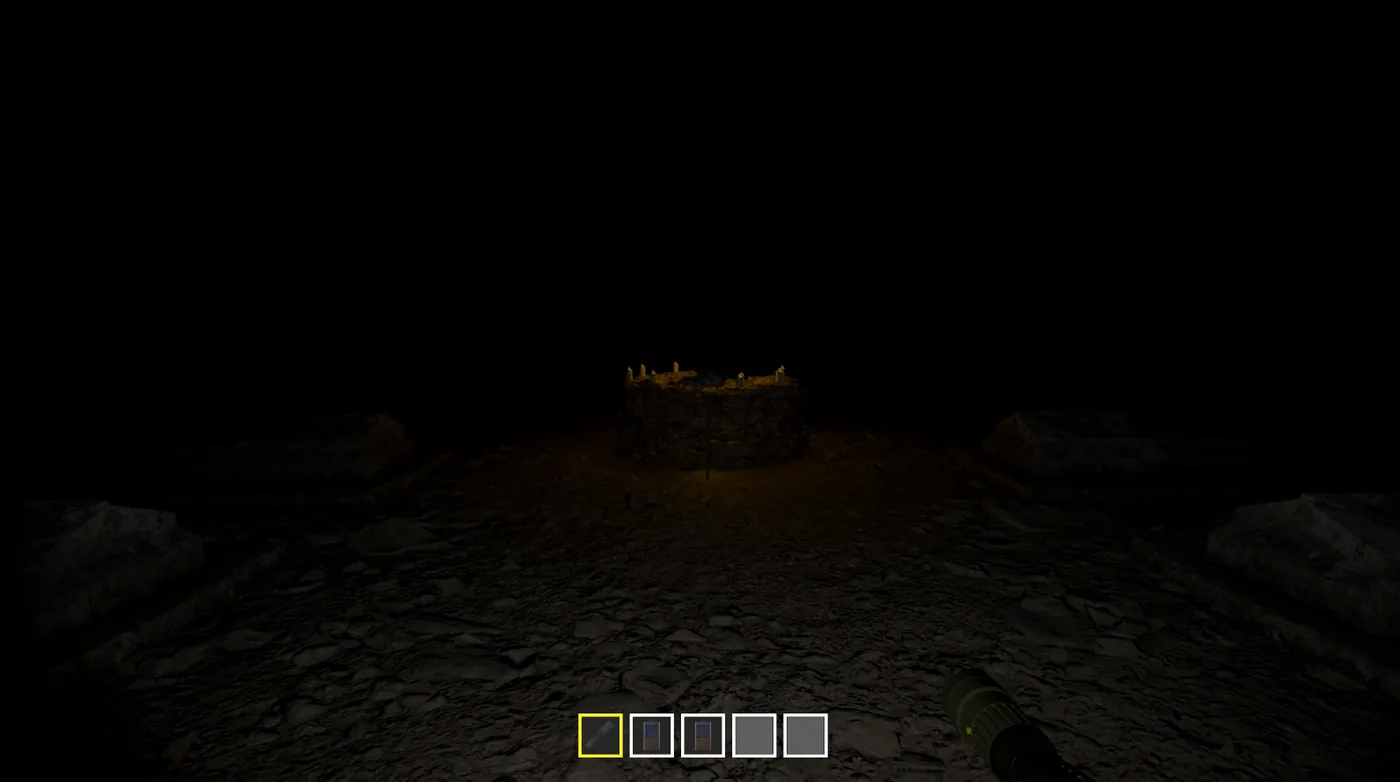
Pure exploration did not tell players what to do next. The answer was a loop that made each trip into the factory purposeful while preserving uncertainty.
Read the space, notes, and distant signals.
Find the objects required by the next rite.
Complete the ritual and weaken the haunting.
Survive more active animatronics as time passes.
Unlock the next layer of the factory and mine.
Pressure rule
The longer the escape takes, the more animatronics become active. Time itself becomes part of the threat model.03 / Critical system fault
The core threat was blocked by an interaction between navigation, colliders, layers, and AI logic.
Changing several connected systems at once made every attempted fix ambiguous. The breakthrough was not a clever line of code—it was reducing the problem until the failure could no longer hide.
Recovery protocol
That debugging method unlocked the full loop and became more reusable than the specific NavMesh fix.
04 / Human signal
A small in-person playtest gave the project its clearest design validation. Fresh players reacted to the darkness, distant sounds, obstructed sightlines, and the possibility of an animatronic appearing—not only to the jumpscares themselves.
Developer perception
Routes, cues, and enemy positions had become predictable through repetition.Fresh-player perception
Every unlit corridor could contain something; every distant sound could be movement.What actually carried the fear
05 / The second game
January through July shifted the work from a playable game into a product people could find, understand, download, and run. That meant treating store presentation and release operations as systems—not as a final upload button.
Objectives, controller support, seven interface languages, audio, tutorials, testing, and bug fixes.
Steam capsules, screenshots, GIFs, trailers, a demo, and a page that communicated the game quickly.
Steamworks setup, launch options, keys, creator outreach, curators, and post-release promotion.
OUTBOUND_QUEUE
When development feedback disappeared and outreach returned nothing, the project stalled again. The later public retrospective recalls roughly fifty creator messages without a reply. The practical recovery was to stop waiting for motivation and use a small weekly outreach target.

SYSTEM STATUS / RELEASED
Echoes of Steel launched on Steam on July 17, 2025. It was not a breakout commercial release, but it recovered its direct costs and completed the entire loop from idea to storefront. More importantly, it proved that finishing is a skill—and reduced the uncertainty around every Steam release that followed.